



By Kate Kimmel
Fernandina Beach city commissioners voted unanimously Tuesday to maintain their position that a proposed bioethanol plant at Rayonier Advanced Materials’ Gum Street facility would violate the city’s comprehensive plan and Land Development Code.
The vote was prompted by a notice from RYAM’s attorneys stating the company will amend its Feb. 28 lawsuit against the city to add a claim under the Bert J. Harris Jr. Private Property Rights Protection Act. The company argues that by blocking construction of the plant, the city is reducing the property’s usefulness and value, entitling RYAM to compensation.
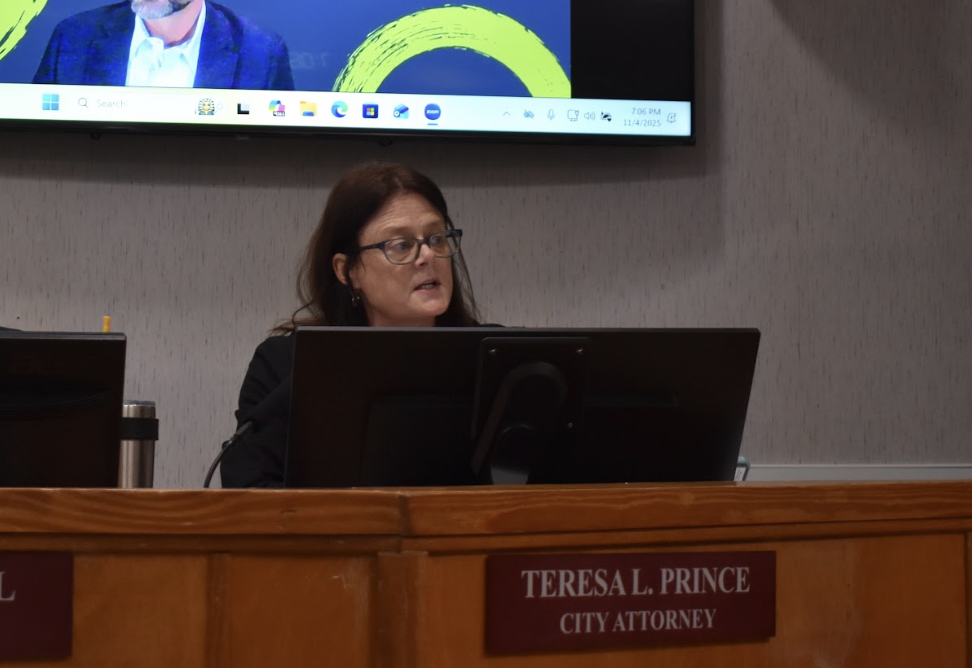
City Attorney Teresa Prince presented 11 possible responses to the Harris claim. Options included revising land development or permit standards, purchasing the property, allowing the facility only on the least sensitive area of the site, or paying mitigation fees.
Commissioners selected the 11th option — “no changes to the actions of the governmental entity.” Prince said the choice means RYAM will move forward with amending its lawsuit to add the Harris claim.
The new claim would be added to RYAM’s original allegation that the city misclassified bioethanol production as “chemical manufacturing,” a land use prohibited under the city code.
Several residents spoke in support of the commission’s decision and against the proposed plant, citing environmental concerns and offering arguments to challenge the Harris claim.
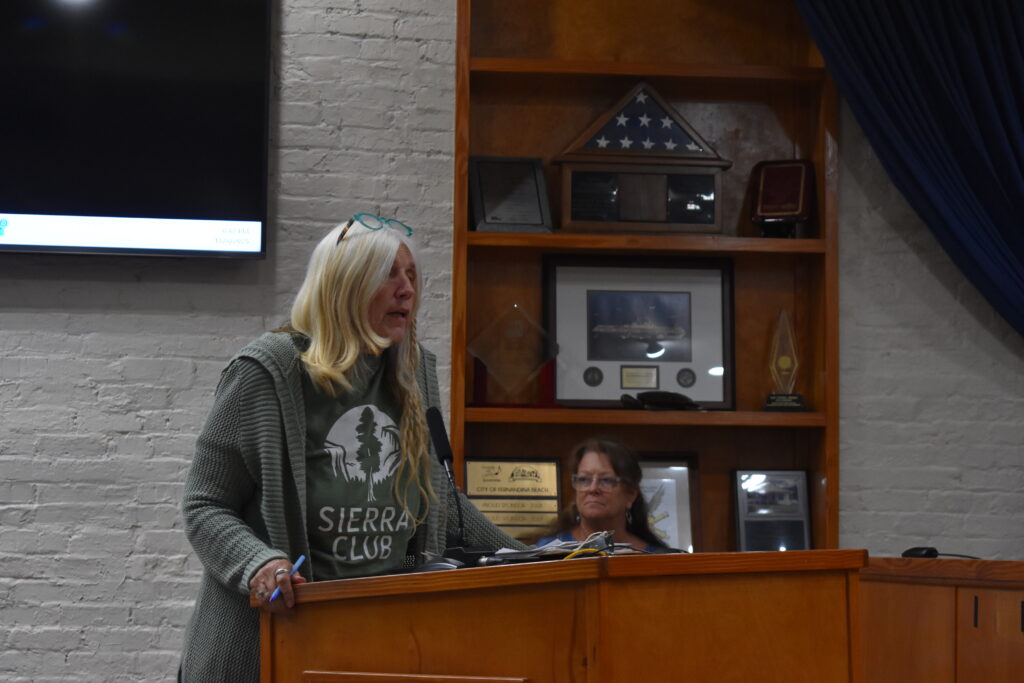
“If you settle this, it will set the precedent of ‘if we sue, we get our way,’” Fernandina Beach resident Alexis Reynolds said.
Resident and scientist Medardo Monzon urged commissioners to request an environmental assessment of the Gum Street property, saying such a review could be used to counter the Harris claim.
“An environmental assessment may show that RYAM’s land has no commercial value at all,” Monzon said, citing a 2024 annual report of RYAM’s mill in Port Angeles, Washington, that found $53.2 million in environmental liability at that site.”
Frank B. Postma, an environmental consultant with more than 30 years of experience, said he reviewed RYAM’s risk assessment for the site and found missing information.
“There was no addressing the impact on rainwater in their secondary containment areas if they did have a release,” Postma said. “The second fatal flaw was that they didn’t consider any atomization of the ethanol should you have a secondary explosion — basically what that means is you create a vapor cloud, essentially a thermal bomb.”
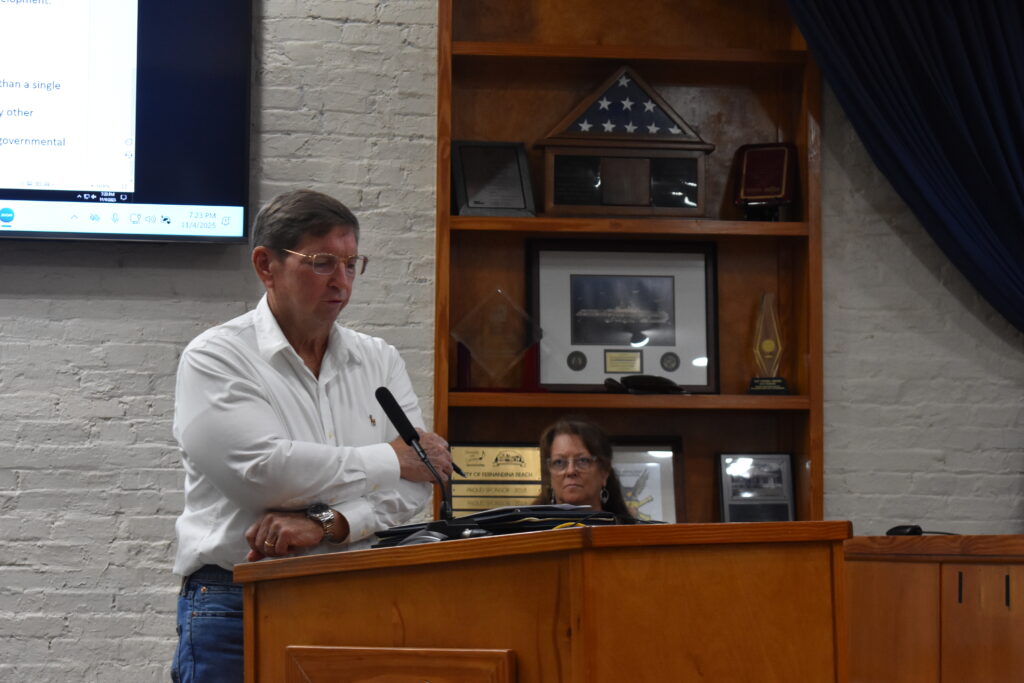
Franklin Hileman, president of No Ethanol Fernandina, said option 11 was the only choice consistent with the land development code and that any other option would violate the public interest. Julie Ferreira, chair of the Nassau County Sierra Club, agreed.
The city has until Monday to file an official response to RYAM’s attorneys, who are expected to amend the suit after receiving it.
“It’s going to be a long fight,” Postma told commissioners.
kkimmel@nassaunewsline.net