


By Kate Kimmel
Following months of advocacy from concerned citizens, Nassau County Animal Services, NCAS, has identified an alternative to landfill disposal of animal remains that will support veterinary education in Florida.
A new partnership between NCAS and the University of Florida College of Veterinary Medicine will allow the bodies of euthanized animals to be used for surgical training and education before their remains are cremated and disposed of respectfully.
“We look at it similar to organ donation that humans do,” NCAS Director Steve MacKinnon said. “If we have to make the difficult decision of doing euthanasia, rather than just disposing of the body one way or another, this is a great way to give back to the community.”
The partnership marks the conclusion of a months-long push by animal advocates to change the county’s disposal practices.
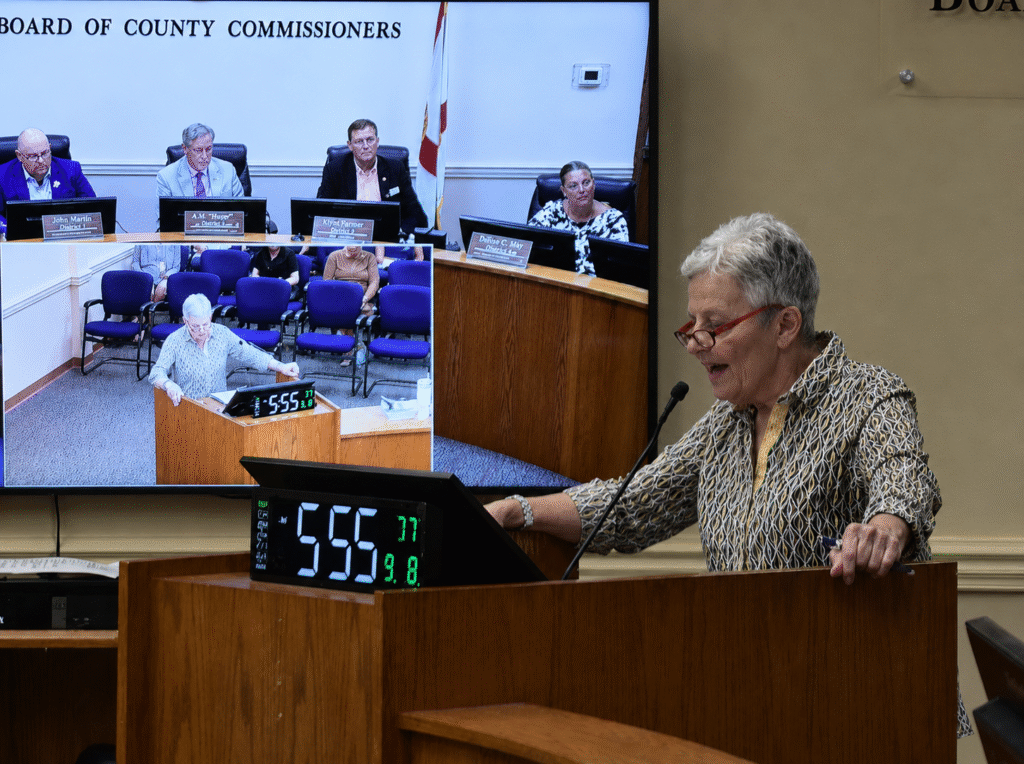
In August 2025, a group of concerned citizens, including several former shelter volunteers, brought concerns about operations and management at the county shelter before the Nassau County Board of County Commissioners.
In response, the county eliminated the volunteer program and replaced it with an ambassador program, which officials said would improve operations and address stakeholder concerns. County staff later announced in October their plans for a new $30 million animal resources campus.
County officials also met with former and current shelter volunteers in November 2025. Among those in attendance was Rebecca Ayers, founder of Friends of Animals of Nassau, an organization that helps pet owners cover adoption fees and veterinary bills that might otherwise result in animals remaining in shelters or going untreated.
Ayers said little changed after the November meeting in terms of immediate improvements at the shelter. One issue that kept her involved in discussions with the county was the shelter’s method of disposing of animal remains.
Although NCAS is a no-kill facility, animals are still euthanized or die of natural causes while in the shelter’s care. Guidance from the Florida Department of Environmental Protection states that “the preferred method of disposal of deceased animals, including euthanized animals, is cremation.”
Until this month, however, NCAS disposed of animal remains through a landfill in Camden County, Georgia.
Prior to being picked up, the bodies of deceased cats and dogs were stored in trash bags and stuffed in a freezer, former shelter volunteer Lexus Harrison told Nassau NewsLine in August.
“Dogs and cats that were once beloved companions, abandoned strays, and injured or sick pets were ultimately treated as waste after death,” Ayers said.
Ayers pushed for the county to move from landfill disposal to cremation, but county staff told her the change was not in the budget. She then proposed that Friends of Animals of Nassau raise money and donate it to the county to cover the cost.
Over several months, Ayers researched cremation services and developed a fundraising campaign. She identified a company called Pet Angel as the least expensive option and estimated the service would cost about $1,500 annually.
By late April, the county was nearing implementation of the cremation program while staff worked through logistics, including how donated funds would be transferred into the county budget. In an April 17 email to Ayers, MacKinnon suggested she submit an initial $500 donation, estimating it would cover about two months of cremation services.
Then another option emerged.
The county’s plan shifted six weeks ago when a new partnership opportunity arrived. The University of Florida contacted NCAS and other shelters across the state with a proposal to accept deceased animals for veterinary training and surgical education at no cost to the county. After use in training programs, the remains would be cremated and disposed of respectfully.
“Rebecca and others were concerned about the landfill method of disposal, so we were exploring a lot of options,” MacKinnon said. “While we were exploring those options, the University of Florida popped up, and it was sort of a perfect way to both solve our in-house issue as well as give back.”
The university will handle transportation and all costs associated with the program. The first pickup took place two weeks ago.
There is no formal agreement yet, but UF is drafting a memorandum of understanding outlining the program, Strategic Advancement Director Brandy Carvalho said.
Ayers said she and other advocates are grateful a solution was reached, but did express concerns about the lack of documented specifics of a new policy or agreement with UF.
“After months of concerned individuals personally researching/proposing alternatives, we appreciate NCAS now stepping up with a viable solution to end the draconian practice after years under their stewardship,” Ayers wrote in an email to MacKinnon. “For many reasons, the lives of these animals may have been a tragedy, but their death can now achieve a meaningful outcome for a greater cause.”
MacKinnon and Carvalho said they view the program not only as a solution to disposal concerns, but also as an opportunity to support veterinary education at a time when the United States is expected to face a shortage of veterinarians in the coming years.
kkimmel@nassaunewsline.net


This is wonderful! Given that many years ago when I was volunteering with Cats Angels and we attempted to work with NCAS on a dual project, but their tech chose to ignore the veterinarian’s advice on the intake paperwork and instead EUTHANIZED a perfectly healthy cat that had just been neutered through the Cats Angels program… I feel this is outstanding. I DID obtain Dollar’s remains (Despite this being 20 years ago, I will NEVER forget his name) and buried his remains in my pet cemetery.