



NewsLine staff
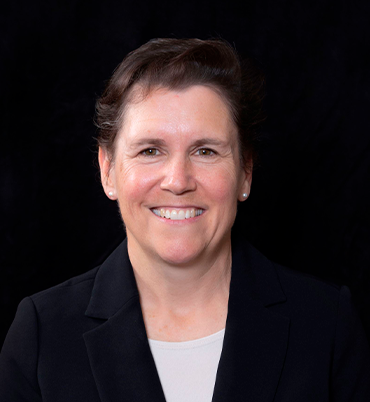
Q: Why is the city considering paid parking at this specific time?
A: The city faces three critical infrastructure projects needed to protect our historic downtown. First, we need $20 million to $30 million to complete the seawall and spend the $6 million in state grants before they expire. Second, we need $10 million to $12 million to update downtown infrastructure that is 50 years old and was only partially updated in the ’90s, including electrical, sidewalks, curbs and ADA accessibility. Finally, we need $4 million to $5 million to demolish Brett’s Waterway Cafe and rebuild the bulkhead.
Q: How does the city propose to pay for these projects?
A: With $40 million in projects, the city needs to get a bond—which is a debt, like a mortgage—to ensure we have the money to complete the work. This would have an estimated $2 million annual debt payment.
The city could obligate the bond debt to a dedicated tax or a dedicated revenue stream. I think paid parking downtown is the best source for this revenue. It would remove some of the cost burden from city residents and spread it across our more than 1 million tourists and visitors. Explosive growth in both the county and tourism has added significant burdens to our city.
Q: Why not find other revenue options or cut the budget instead?
A: The city manager has already cut the budget of all departments and denied filling 17 vacant positions. However, the city faces significant cost increases due to inflation. Public safety is 44 percent of our budget; our police, fire and ocean rescue departments are larger than many small towns because they serve that massive influx of tourists.
Regarding other revenue: The state gives control of the tourist “bed tax” to the county, and impact fees have restricted uses. The city only controls local property tax. Property tax increases hit many of our businesses and renters very hard. Landlords often pass tax increases down to renters, and 14 percent of city residents live below the poverty line. They cannot absorb a debt burden. I think it is only right to ask the users of our historic downtown to help us protect it.
Q: How would the proposed paid parking system work for residents versus visitors?
A: The proposal designates the “core sector”—Centre Street from Front Street to 8th Street, out to Ash and Alachua streets, and the marina lot—as the paid parking sector. This includes more than 700 spaces, while the remaining 1,000-plus spaces would be free to all.
City residents would get two free parking passes and unlimited additional passes for a $24 annual fee. Once registered online, residents can park anywhere for four hours without doing anything more. If you live in the sector, you can park all day.
Non-city residents would have choices: park in a free space, pay an hourly rate ($2 to $4), or buy a monthly or annual pass. Everyone parks free for the first 20 minutes, and Sunday mornings would be free to all to accommodate church attendance. There will be no meters, only signs with options to pay via QR code, text or phone.
Q: You have acknowledged that paid parking is not ideal. How do you balance the downsides with the benefits?
A: I know it comes with negative consequences. Signs will not be “pretty,” digital payments can have glitches, and it will change the feel of downtown. There will also be spillover into surrounding neighborhoods. These are issues we will have to work to mitigate.
But I believe allowing the infrastructure to crumble is more egregious. Private investors pour millions into maintaining historic buildings downtown; it is time for the city to invest in the infrastructure that supports and protects it all.
Joyce Tuten is a City Commissioner for Fernandina Beach. Questions or comments can be directed to her at jt****@**fl.city.